OEM Process Equipment Solutions

Aaron Equipment provides process equipment through our new equipment division, Paul O. Abbe®.

Paul O. Abbe® has been designing and manufacturing solids blending, size reduction, solids vacuum drying and high viscosity mixing equipment since 1911. Our equipment ranges in size from laboratory/bench top to large production scale.

Talk with the experts. Paul O. Abbe® has considerable knowledge of chemical processes and equipment design. We can also help identify most of the ancillary equipment you will need, from solids conveying to vacuum systems, solvent recovery and thermal heating and cooling systems.

We have designed equipment for a range of process industries including medical grade silicone rubber, butyl rubber, chewing gum base, advanced ceramics, glass, powdered metals, fertilizers, colorants, pharmaceuticals, rocket propellants and accelerants, solar cell materials, composites, resin, polymers and food ingredients.

Equipment and Process Applications

Solids Blending

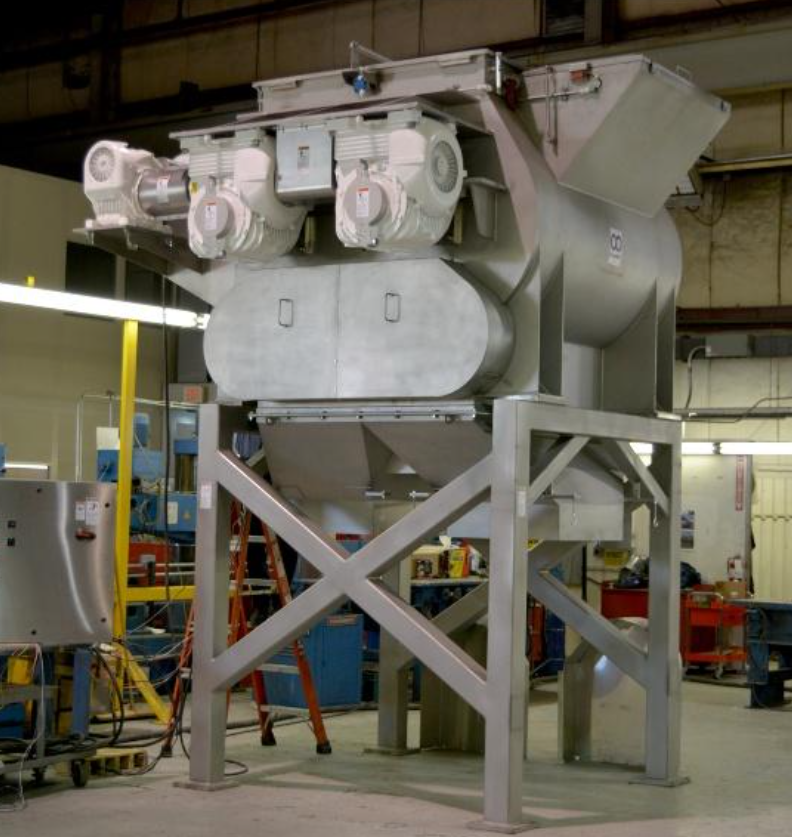
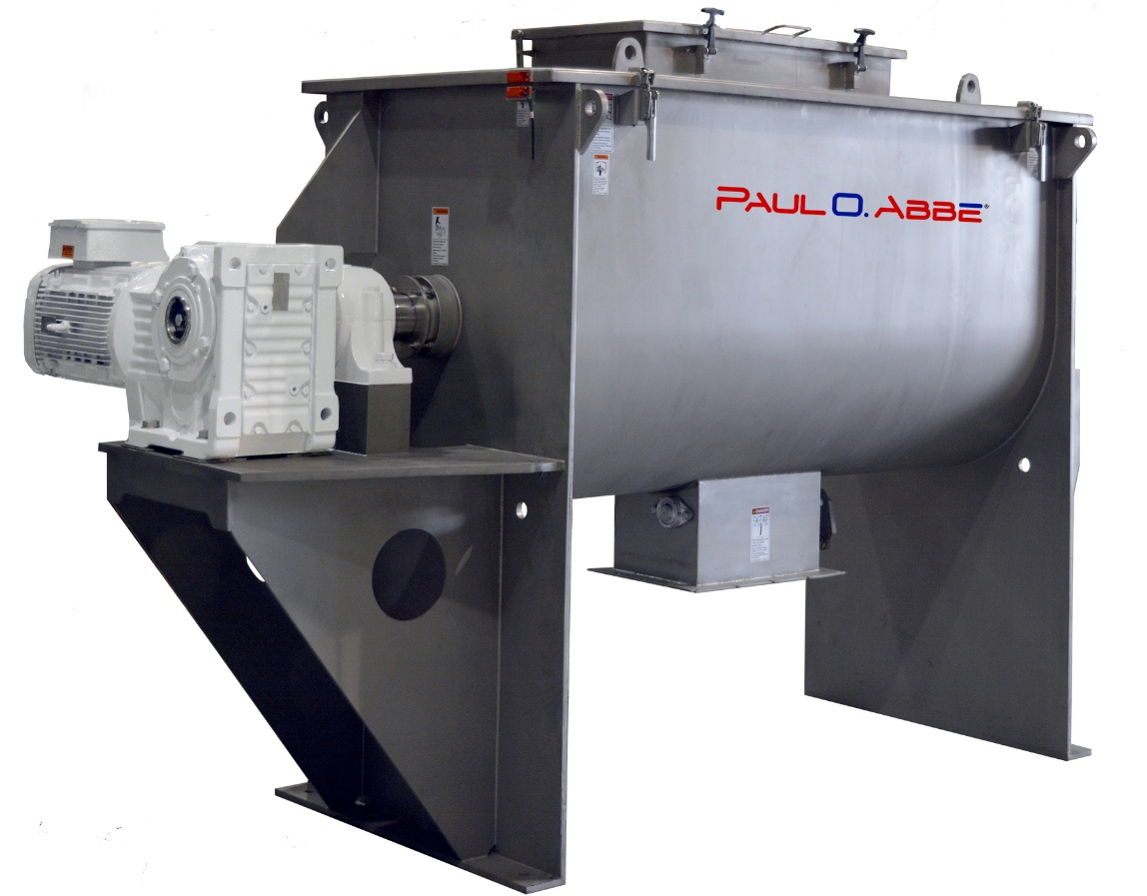
Ribbon/Paddle Blenders

This is the primary blender used in the food industry for products such as whey protein, spice mixtures, dry cake mixes. Compact, low height requirements and simple to maintain.

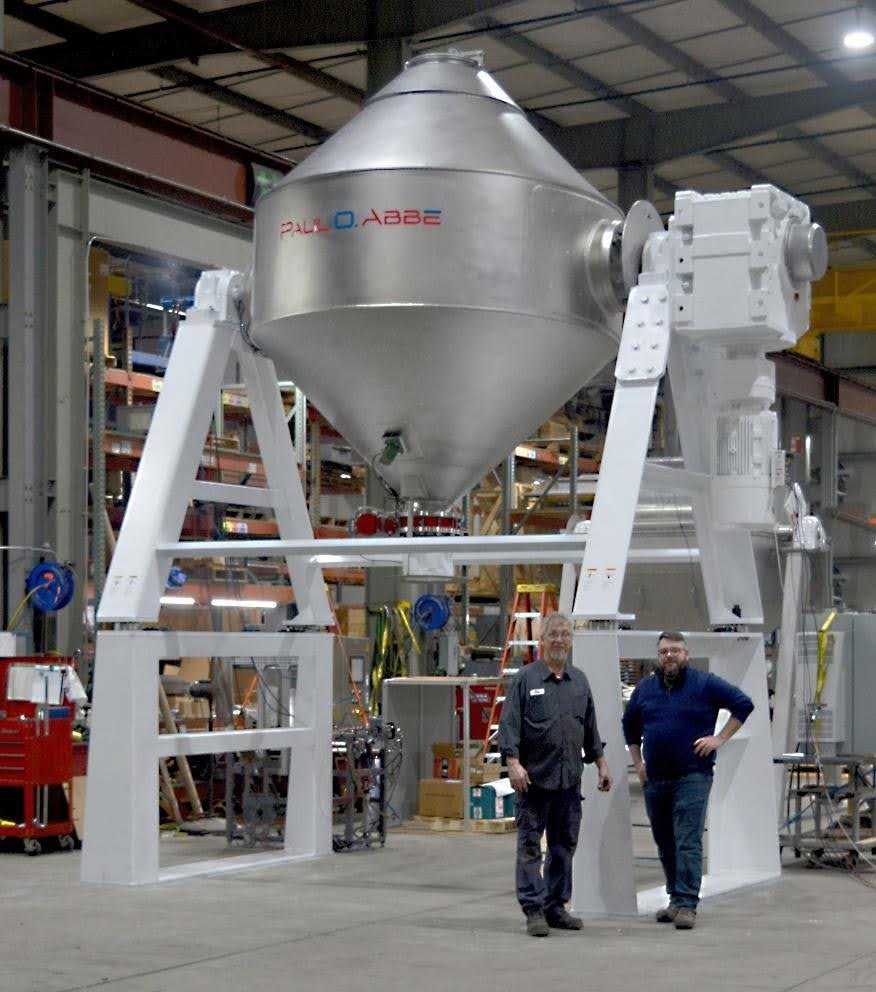
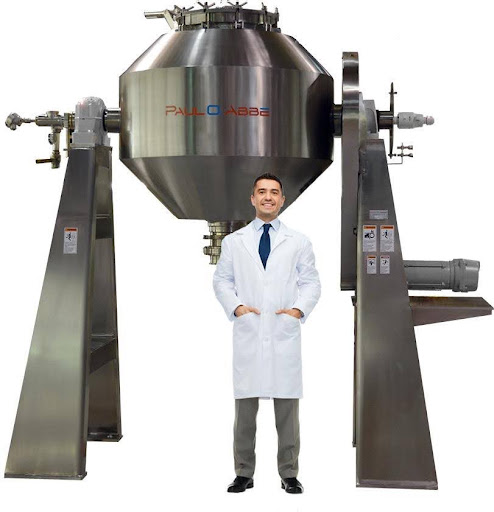
Rota-Cone® Blenders

Tumble blenders have a unique ability to be used for both gentle mixing of macro molecules and rocket propellants, but because there is no agitator, they can blend powdered metals up to and including tungsten carbide. The simple cone design and lack of shaft seals make the Rota-Cone® Blender easily inspected and cleaned.

CrossMix® (Forberg) Fluidizing Blender

This fluidizing blender is so efficient it can blend in 12 seconds. The fluidizing mixer also makes this one of the gentlest blenders, which is why it is often used to blend bran and raisin cereal, trail mix and similar friable products. The speed and efficiency of the CrossMix® allow the use of a comparatively small machine.

Dry & Wet Size Reduction

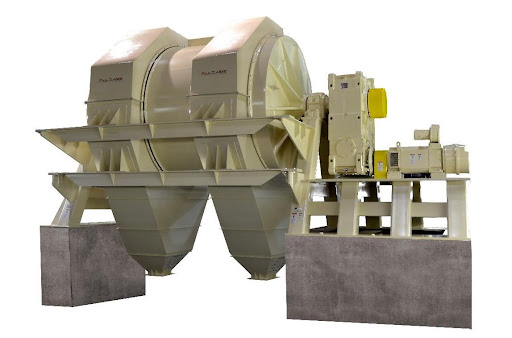
Ball Mill (AR400 or stainless steel)

Rotating horizontal ball mills are used to size reduce metal oxides, minerals, used circuit boards and jewelry and laboratory crucible recycling, and hard materials that need to be reduced to as little as one micron. The simple batch operation means consistent milling of a product and no losses.

Ceramic (Alumina) Lined Mill

Ceramic lined mills are most often used to mill simple ceramics, advanced ceramics, glass frit, and almost any mineral where contamination needs to be minimized.

Polyurethane Lined Mill

Polyurethane is very abrasion resistant and allows these mills to be used with virtually any media and any product as long as no solvents are present. Polyurethane can be used as a wet or dry mill.

Rubber Lined Mill

Very similar to the polyurethane mill, but rubber can be used with a limited range of solvents.

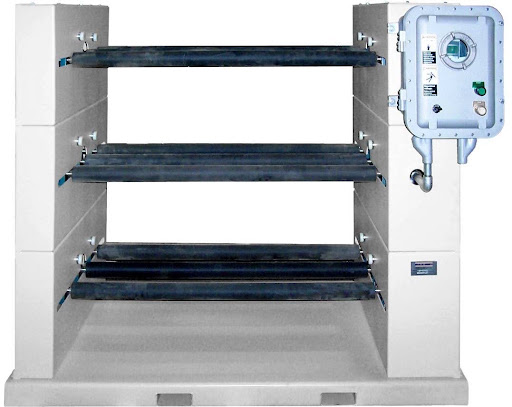
Jar Rolling Mill

Jar rolling mills spin jars for milling and to maintain suspensions. They can handle jars ranging from one quart to five gallons in laboratory and production settings. Capacity ranges from one jar to dozens of jars on multi-level units. When production requires small batches that cannot be cross contaminated, individual steel, urethane or alumina jars can be turned all at once.

Solids Vacuum Dryers

Rota-Cone® Vacuum Dryer

Vacuum allows water or solvent to evaporate at lower temperatures, which increases the temperature differential with the heating jacket, resulting in increased thermal efficiency and speed of drying. Deep vacuum also allows low temperature drying of heat sensitive pharmaceuticals or biologics. Vacuum dryers are also used for high temperature drying of polymers such as Nylon-66 and solid stating (crystallizing) of polymers including polyethylene terephthalate (PET).

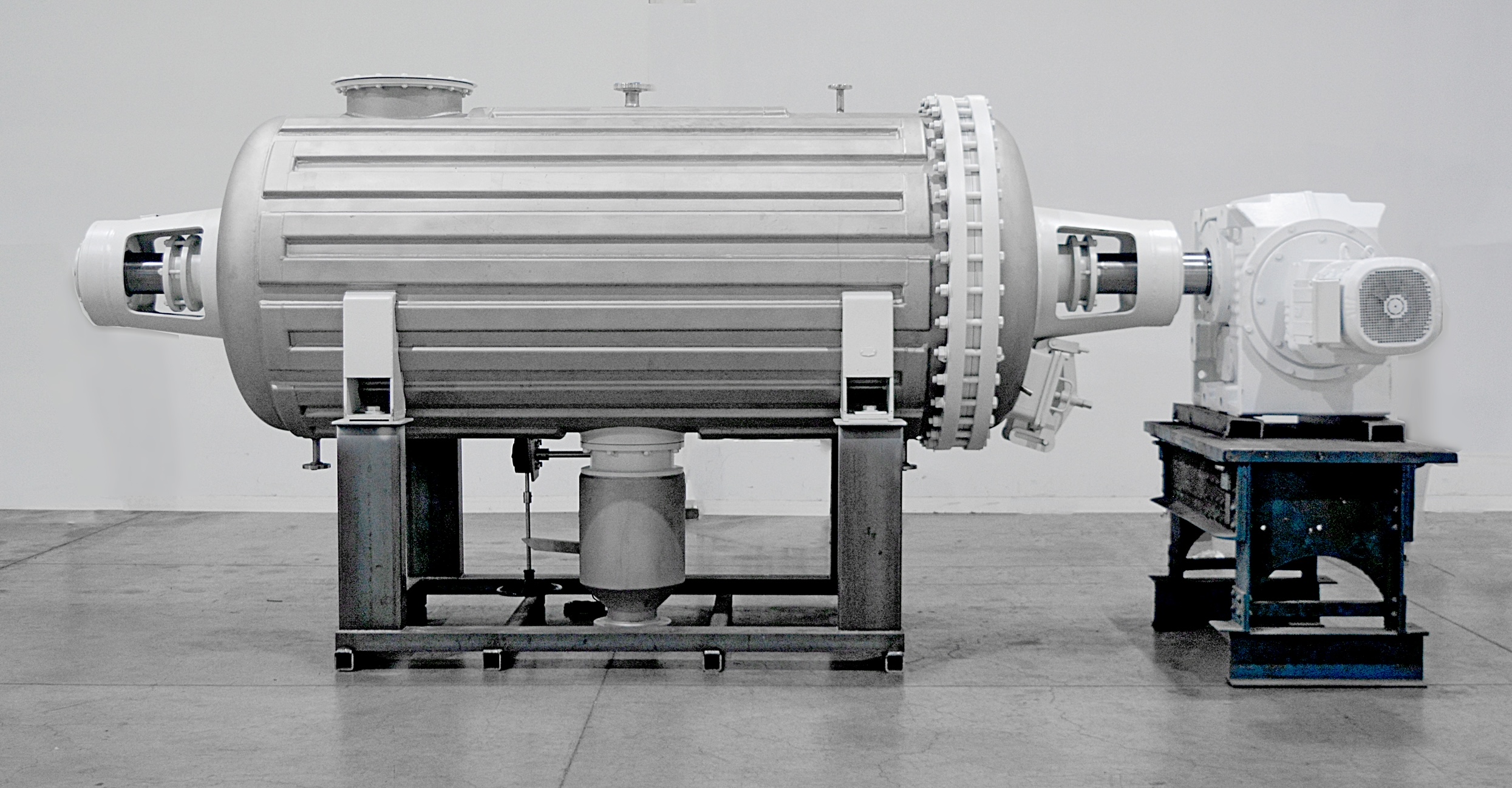
Horizontal Rotary Vacuum Dryer

Thermally similar to the Rota-Cone®, but the horizontal dryer can also handle materials that start off as a liquid or paste. These dryers also take up far less head space.

High-Viscosity Mixers

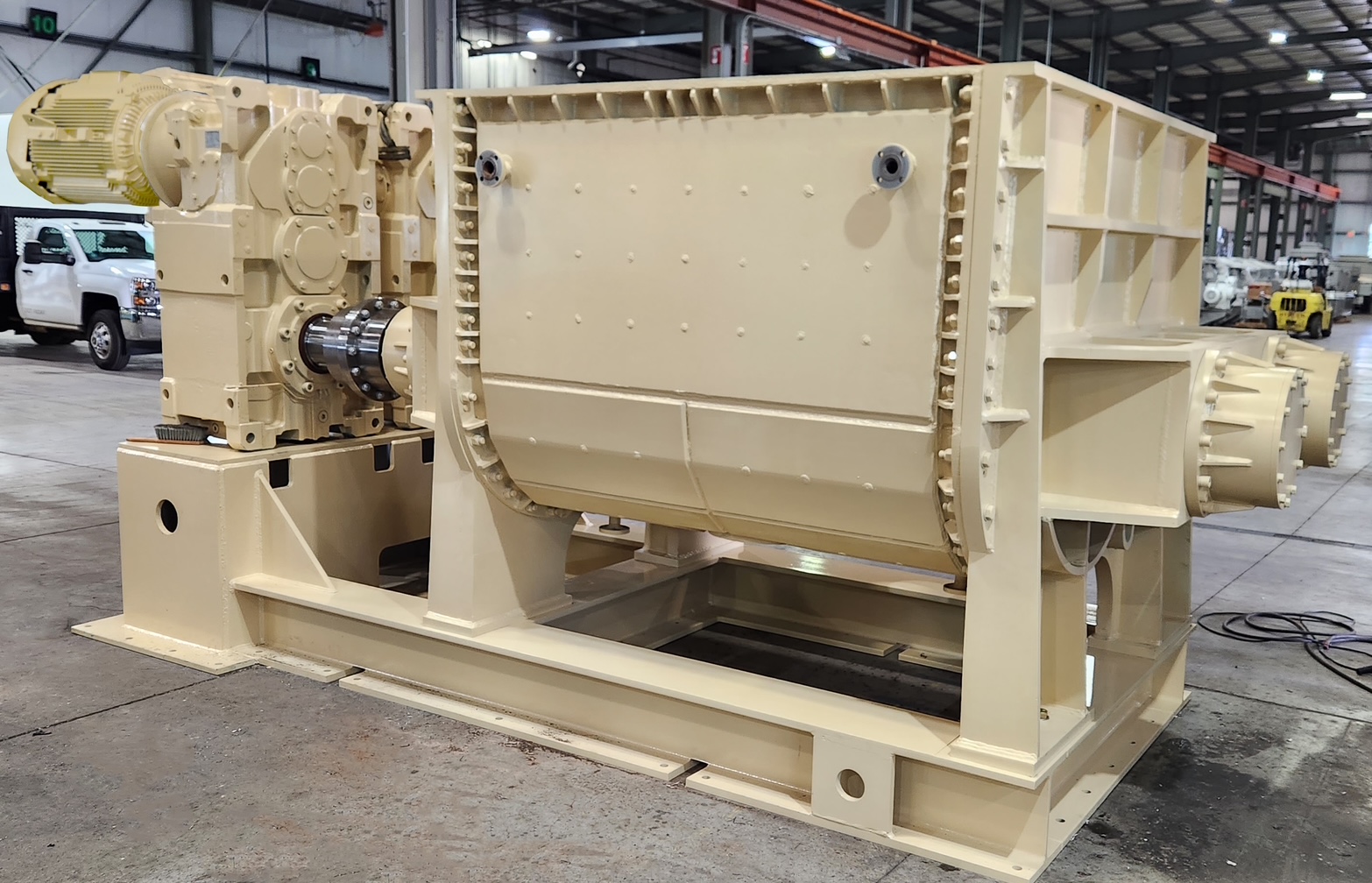
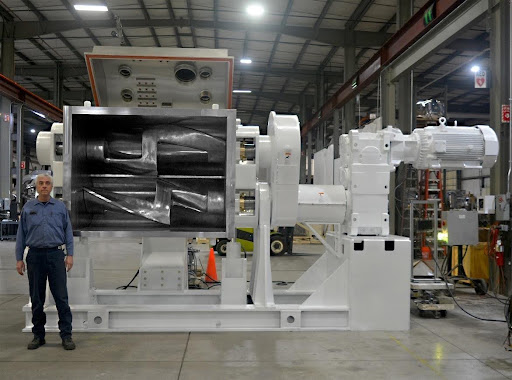
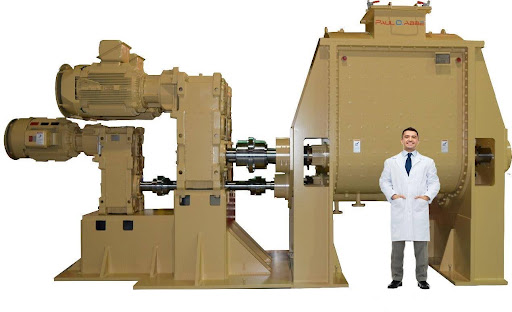
Sigma blade mixers, also known as double arm, Z-Blade, or kneaders, are all designed to mix high viscosity materials including hot melt adhesive, resins, carbon graphite materials, medical grade silicone and butyl rubber. Sigma blade mixers are normally jacketed for heating and are often designed for vacuum operation. These mixers are all fundamentally the same, but the type of discharge varies greatly and is dependent primarily on the viscosity of the product.

Bottom Dump Discharge

This is for viscous products that will readily flow. This includes many adhesive and silicone gels.

Tilt Discharge

Suitable for lower viscosity silicone rubber and resins.

Sigma Blade Mixer/Extruder

The extruders can handle the highest viscosity rubber, including medical grade silicone rubber and butyl rubber.

Understanding the Process

The first step in designing the right process system is to understand the process itself. We will want to learn what experience a client has with the process, type of equipment used and its performance. A history of the process will give us a solid framework for asking questions, making recommendations or suggesting testing in our lab. This will include process temperatures, heating medium (steam, hot water or thermal fluid) or cooling requirements.

We want to know all the characteristics of the chemicals that will be processed, including:

  • Bulk densities

  • Particle size and distribution

  • Hardness, abrasiveness and flowability

  • Viscosity and other rheological properties, for high viscosity mixing (is the product thixotropic, dilatant or pseudoplastic?)

All of these chemical properties are used to calculate horsepower and torque requirements.

Knowing the chemicals and temperatures, we can better determine the appropriate materials for chemical and abrasion resistance. The solvents used in the process and for cleaning are important to select appropriate gaskets and seals. We will also want to know if the operating environment is non-hazardous or hazardous (i.e., explosive) and select appropriate motor and electrical classifications.

Our pilot laboratory allows us to do testing of your materials, including size reduction, vacuum drying and high viscosity mixing.

Replacement Parts & Reconditioning Services

OEM replacement parts, rebuilding services, inspections, upgrades, and support for existing Paul O. Abbe® equipment.

Request New OEM Process Equipment Solutions

Need new process equipment, a custom mixer or blender, replacement parts, or engineering support for an existing Paul O. Abbe® system? Tell us about your application, material, capacity, operating requirements, and desired outcome, and we will help determine the right next step.

For the fastest response, include details about your process, equipment type, material characteristics, batch size or capacity, sanitary or area classification requirements, utilities, controls needs, and whether you are looking for new equipment, replacement parts, rebuilding, or custom engineering support.

Why Choose New OEM Process Equipment?

New OEM process equipment services allow customers to specify equipment tailored to their exact process, material, capacity, cleaning, controls, and production requirements. Instead of adapting an available machine to the application, customers can work with engineering teams to build equipment that aligns with their process from the start.

Custom Equipment Design

Paul O. Abbe® provides design and manufacturing support for size reduction mills, vacuum dryers, solids mixers, sigma blade mixers, and extruders. Equipment can be configured to meet specific process, cleaning, temperature-control, and material-handling requirements.

Built Around Your Application

New equipment can be designed to support sanitary processing, ASME construction, automation, systems integration, hazardous area classifications, CIP systems, and other application-specific requirements.

Engineering Support

Customers can work directly with engineering teams to review process requirements, material characteristics, capacity needs, and equipment options to identify the right solution.

Replacement Parts & Lifecycle Support

Paul O. Abbe® supports equipment throughout its lifecycle with OEM replacement parts, inspections, rebuilding services, upgrades, and process recommendations designed to maintain long-term performance.

Trusted Since 1911

Paul O. Abbe® provides custom-designed and manufactured size reduction mills, solids mixers and blenders, and vacuum drying systems for process industries. The brand supports equipment design, manufacturing, replacement parts, rebuilding, and engineering consultation.

New Mixing & Blending Equipment

Aaron Process Equipment provides new mixing and blending machinery, including sigma blade mixers, mixer extruders, plow mixers, sanitary ribbon blenders, planetary mixers, and laboratory-style mixers. Equipment is available in multiple sizes with standard design features and custom options.

Frequently Asked Questions

New OEM process equipment solutions help customers specify, engineer, build, and support new processing equipment for applications such as mixing, blending, milling, drying, and high-viscosity processing. Through Paul O. Abbe® and Aaron Process Equipment, Aaron supports new equipment selection, custom design, replacement parts, rebuilding, and engineering consultation.

New process equipment options may include ribbon blenders, paddle mixers, tumble blenders, double arm mixers, mixer extruders, plow mixers, planetary mixers, laboratory mixers, size reduction mills, ball mills, jar mills, and vacuum dryers. Available options depend on the process, material, capacity, and design requirements.

Yes. Aaron can connect customers with OEM engineering support for custom process equipment design. Equipment can be designed around process requirements such as capacity, materials of construction, controls, cleaning needs, cross-contamination concerns, temperature control, loading and unloading, and utilities.

Yes. Paul O. Abbe® provides replacement parts, equipment rebuilding, refurbishing, upgrades, inspections, and process recommendations for many of its machines. Replacement parts are designed, engineered, and manufactured to original specifications to support equipment performance and reliability.

To help Aaron review your request, include the equipment type, material being processed, batch size or capacity, process goals, sanitary or area classification needs, utility requirements, controls needs, timeline, and whether you need new equipment, replacement parts, rebuilding, or custom engineering support.

Yes. Many OEM process equipment solutions can be customized based on material characteristics, production capacity, temperature requirements, controls, utility availability, sanitary requirements, and other application-specific considerations. Aaron works with customers to help identify the appropriate equipment configuration for their process.

New OEM equipment can be engineered around specific process requirements, capacity goals, material characteristics, sanitary standards, automation needs, and facility constraints. It also provides access to OEM warranty coverage, replacement parts support, and ongoing engineering expertise throughout the equipment lifecycle.

Sell Equipment

Have surplus equipment? We offer flexible options including direct purchase, consignment, or listing on our marketplace — all backed by trusted professionals.

Buy Used Equipment

Discover one of the world’s largest inventories of used processing and packaging equipment — ready to ship and backed by decades of industry expertise.

Auctions

Join global buyers and sellers at AIS-hosted auctions featuring top-quality surplus equipment from leading facilities around the world.